
Updated November 11, 2026 · By RAMRAD · Reviewed by Robin Rad
Deep SEO vs Semrush is a comparison of delivery models, not a winner-takes-all tool ranking. Semrush and Ahrefs provide self-serve SEO suites. Deep SEO is an agency with its own AI platform, one-off reports and an implementation team. Choose around who will interpret findings and do the work, or use both.
The practical differences are access, delivery and implementation ownership. A self-serve suite fits a team that wants research and monitoring tools and has capacity to act on findings. A report suits a defined question, while agency support matters when you need help making changes. The choice depends on your team’s capacity, not just the features available.
You can start a free health check in the AI SEO Platform by entering your website address. Deep SEO uses measured data for that check, then offers one-off audits and plans through the chat. Website changes require a connected site and your approval for each change.
Is Deep SEO a tool, an AI platform or an agency?
Deep SEO is an SEO agency with its own AI platform and a team that implements work. Unlike the self-serve suites noted above, it combines instant AI audits with a team that can act on them. “Platform” describes the technology; “agency” describes the people who carry out the work.
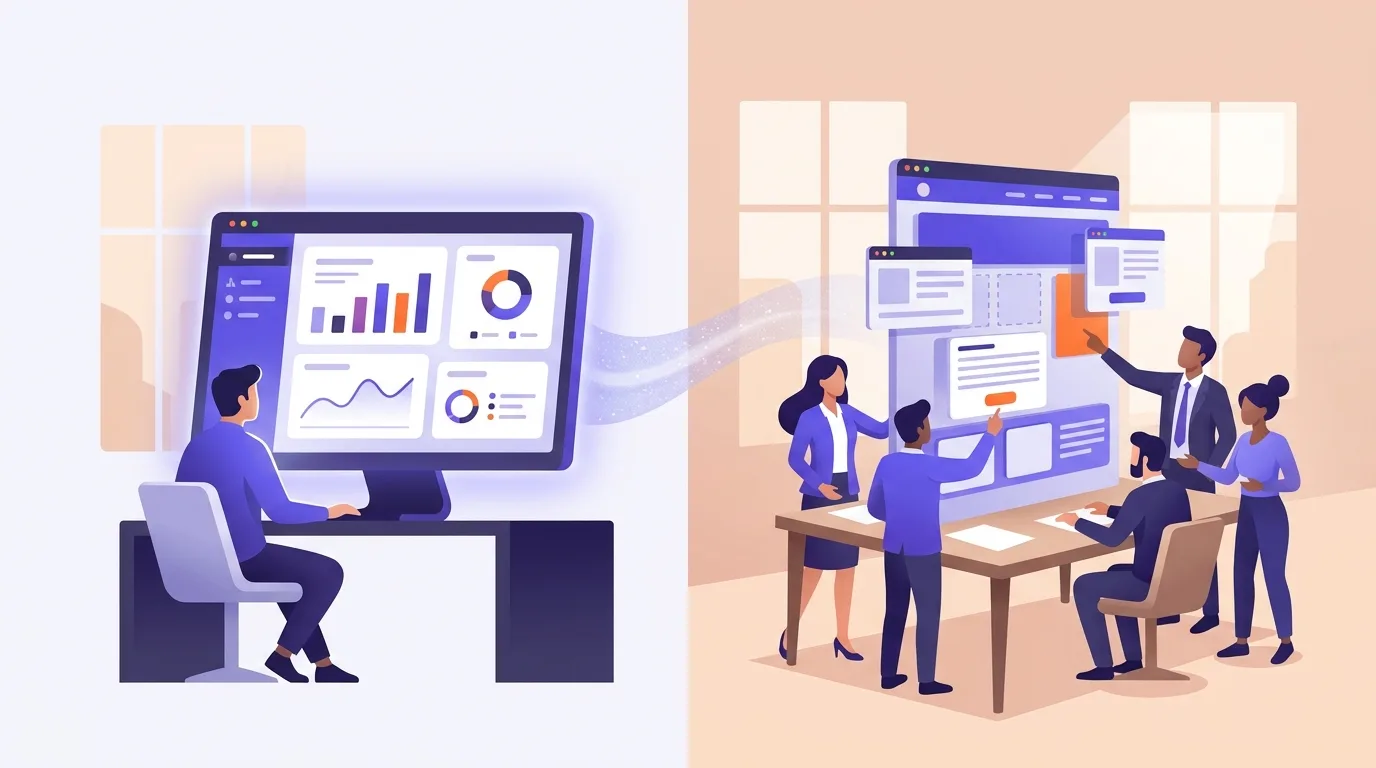
Platform and agency describe different layers
You don’t have to choose between those labels. Deep SEO uses the AI SEO Platform to provide audits, while its agency team handles implementation. The platform is part of the agency’s offering, not a separate category that replaces the team.
That distinction matters when you compare products. An audit identifies work to consider. Implementation changes the site. Access to software and access to people are different parts of an SEO service, even when they sit under the same brand.
Compare responsibility, not the AI label
Semrush offers SEO + AI Search Starter as a subscription, according to Semrush. Ahrefs Lite includes research and audit tools, according to Ahrefs. These are useful reference points for comparing software access with an agency’s delivery model.
The AI SEO platform vs SEO tool question is therefore about what you receive and who acts on it. AI alone doesn’t tell you whether you’re buying software access, analysis or implementation support.
When assessing an offer, ask where its responsibility ends. Does it deliver findings for your team to interpret, or include people who carry out agreed work? Treat implementation ownership as a separate buying decision, rather than assuming it follows from the word “platform”.
What do Semrush and Ahrefs offer self-serve users?
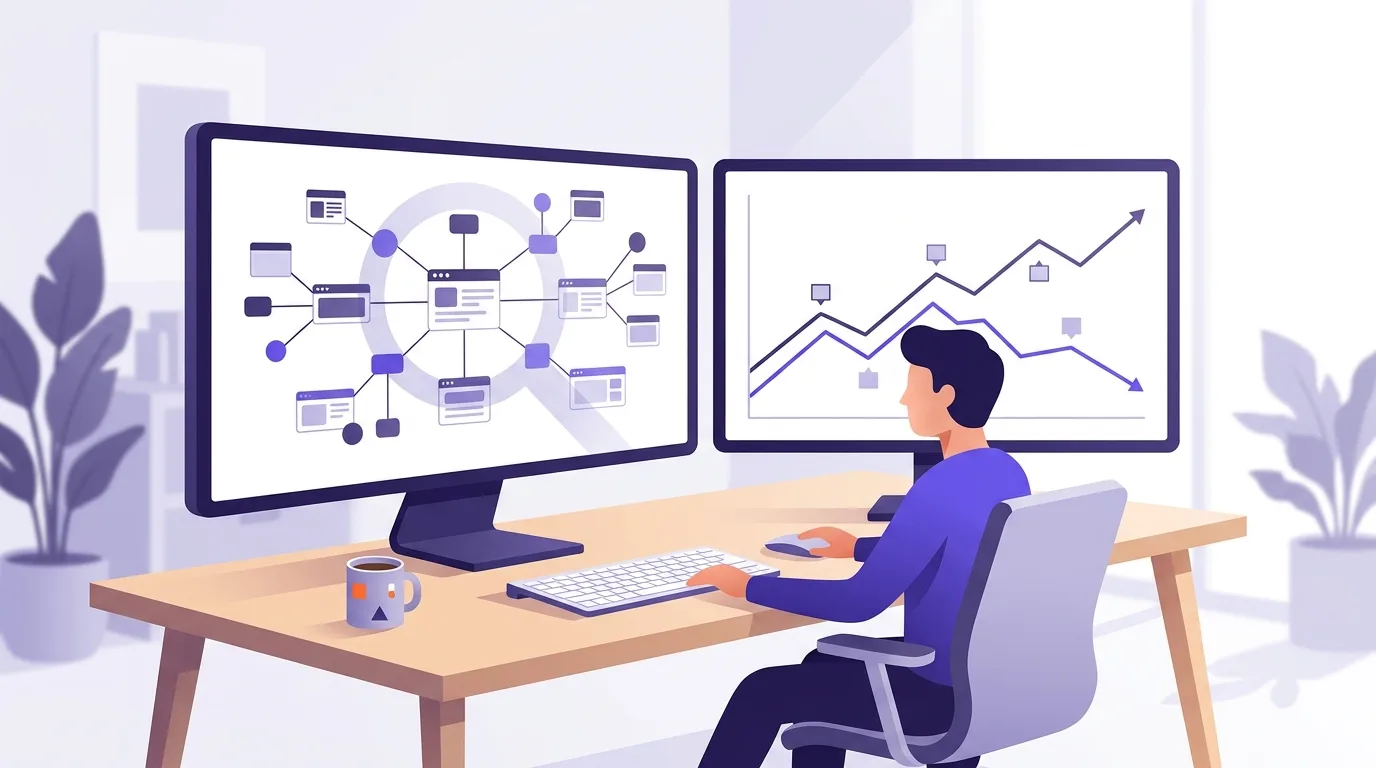
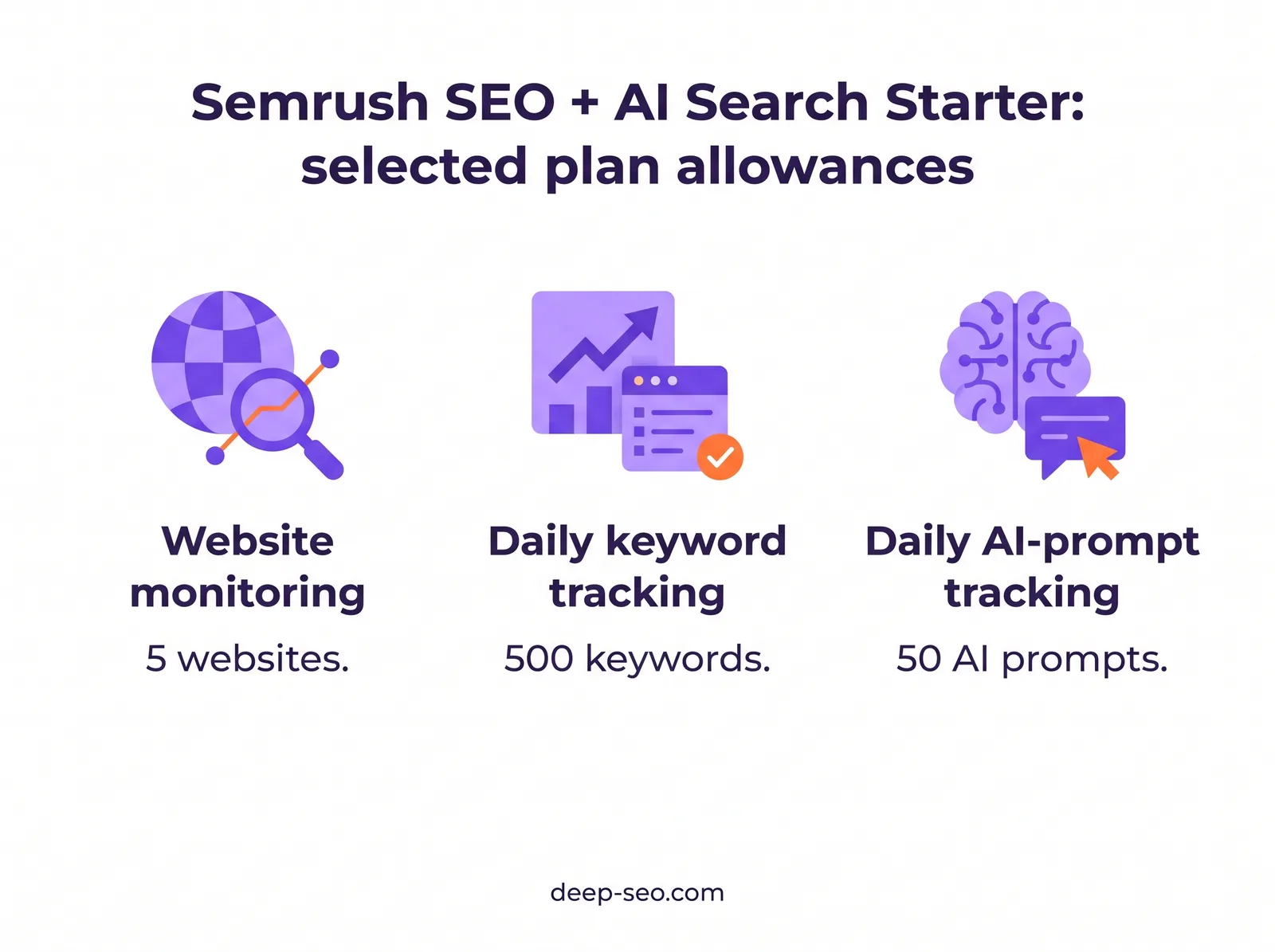
Semrush’s SEO + AI Search Starter subscription includes website monitoring, daily keyword tracking and daily AI-prompt tracking, according to Semrush. Ahrefs Lite includes a set of named research, audit and tracking tools, listed by Ahrefs. Treat these as changeable plan details, not permanent product specifications.
Semrush: allowances for SEO + AI Search Starter
The table shows the allowances for this specific subscription. It isn’t a cross-vendor benchmark or a summary of every Semrush plan. Read each allowance separately: website monitoring, keyword tracking and prompt tracking describe different parts of the package.
| Included activity | Plan allowance |
|---|---|
| Website monitoring | Monitoring covers 5 websites, according to Semrush. |
| Daily keyword tracking | Daily tracking covers 500 keywords, according to Semrush. |
| Daily AI-prompt tracking | Daily tracking covers 50 AI prompts, according to Semrush. |
Ahrefs Lite: named tools in the subscription
Ahrefs lists these tools among the Lite plan’s inclusions:
- Site Explorer
- Keywords Explorer
- Site Audit
- Rank Tracker
Use those names to check the package against your intended work. Don’t treat a tool’s inclusion as evidence of unlimited access or superior data. Before subscribing, confirm the current plan limits and the tools you’ll actually use.
For example, if you’re comparing competitors, define the questions you need answered before choosing a subscription. That gives you a concrete basis for reviewing the package, rather than comparing product names alone.
If you want to consider competitor analysis separately, you can explore the AI Competitor Analysis.
How does Deep SEO’s platform deliver reports and support?
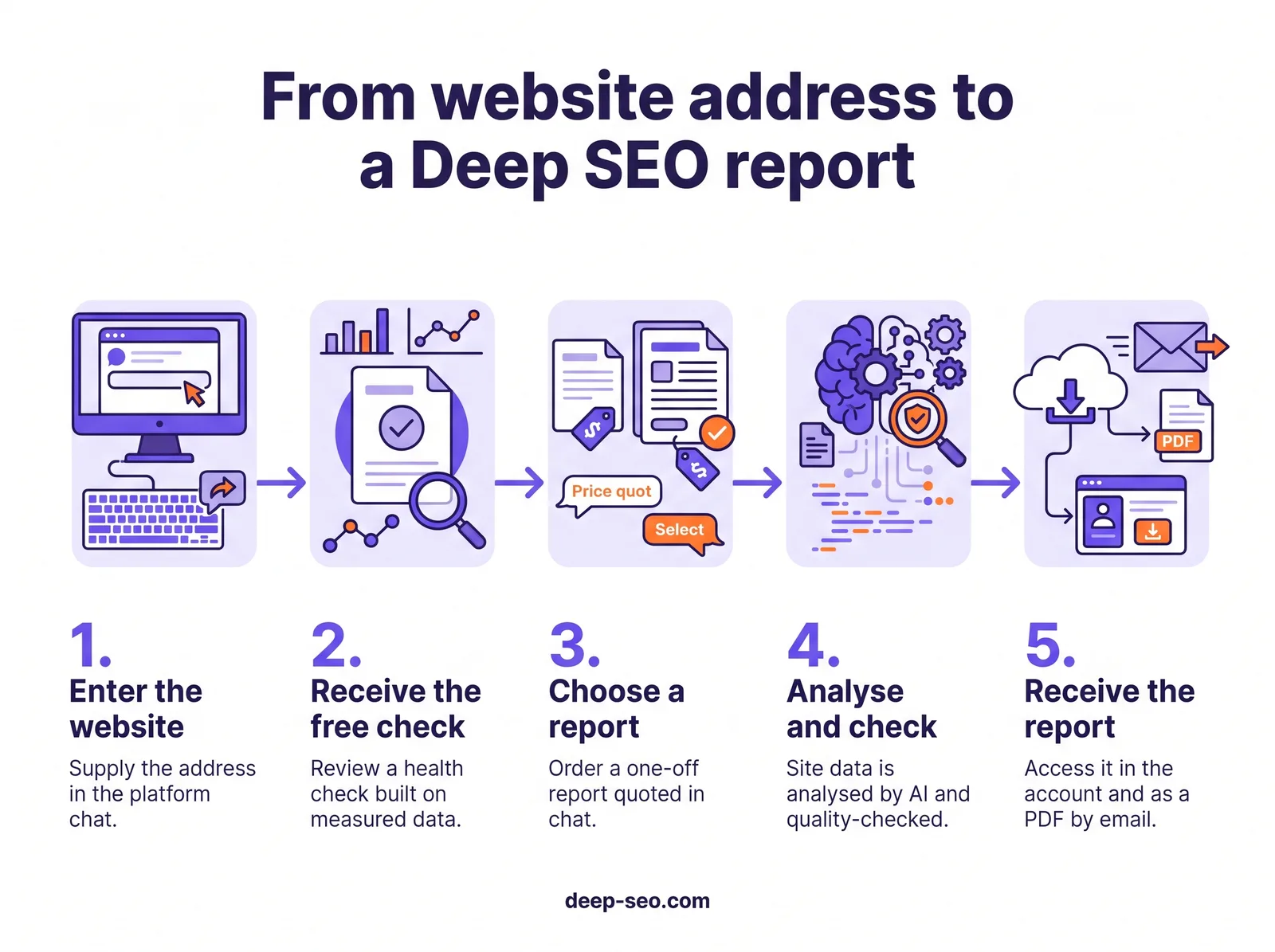
Deep SEO’s chat starts with your website address and returns a free health check built on measured data. You can then order one-off reports, with quotes provided in the chat. Reports identify what was and wasn’t measured. The agency team can implement work, but don’t assume implementation comes with every report.
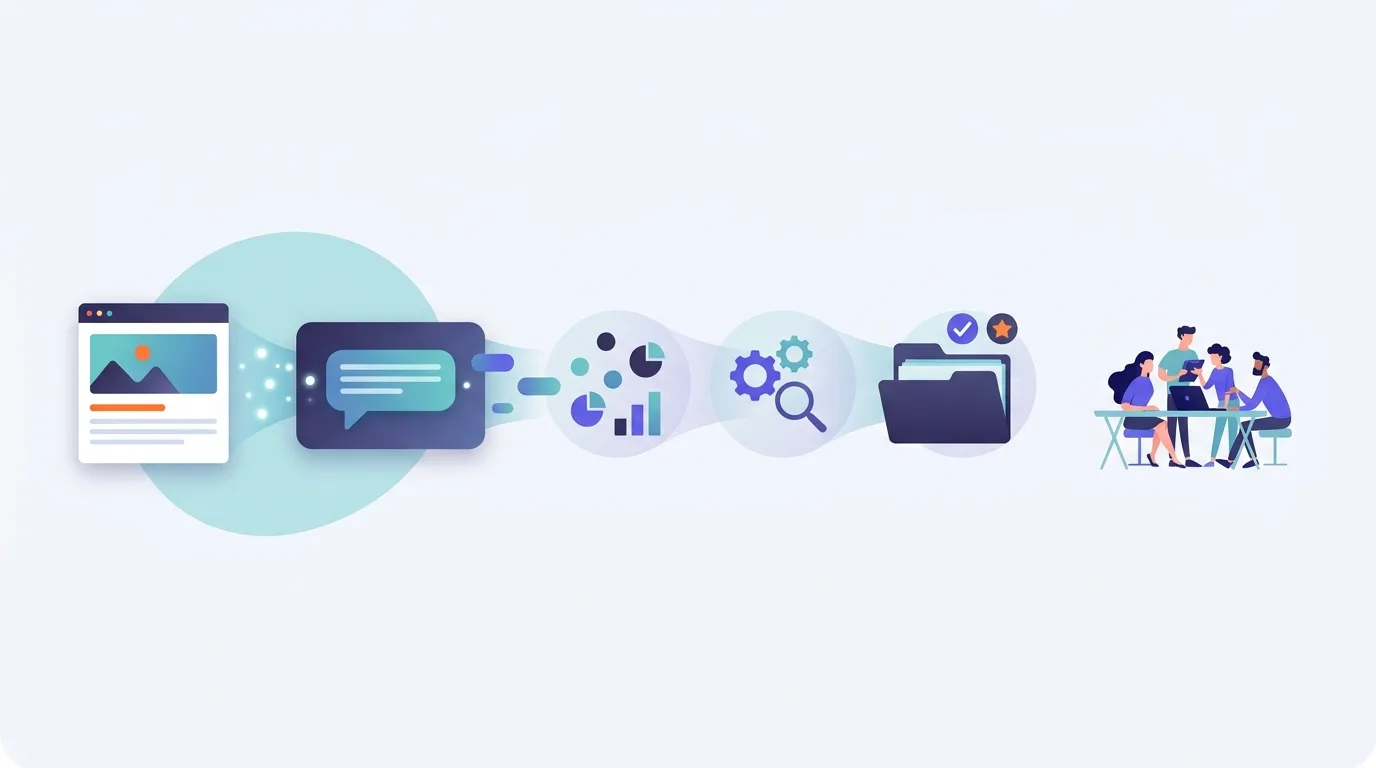
Start your free check through the AI SEO Platform. The platform offers nine AI services as one-off reports, with no subscriptions or retainers. Those terms apply to platform reports, not agency engagements.
From site data to a delivered report
| Stage | What happens |
|---|---|
| Data collection | Real data is gathered from your site. |
| Analysis | AI analyses the gathered data. |
| Quality check | The report is quality-checked before delivery. |
| Delivery | You receive the report in your account and a PDF by email. |
The measurement scope matters when you use the findings. A report’s conclusions should be read alongside its stated limits, rather than treated as a complete assessment of everything affecting your site.
Competitor analysis is an available report category through the AI Competitor Analysis. Other categories include SEO audits and keyword planning, so you can choose a report around the question you need answered.
Report delivery isn’t implementation
The agency team’s work spans:
- Technical SEO.
- On-page and off-page SEO.
- AI search optimization.
- Content marketing, local SEO and e-commerce.
- Amazon SEO and website infrastructure.
Implementation ownership needs a separate decision. Before ordering, clarify whether you need findings for your own team or agency help carrying out the work. A report purchase alone shouldn’t be treated as an implementation agreement.
Which delivery model fits your team’s capacity?
Choose by your available staff time, research needs and implementation ownership. The right model depends on who can turn findings into work, not database size or AI branding. Treat the choices below as practical fit judgments, not measured outcomes. Start with your team’s capacity, then assess the offer.
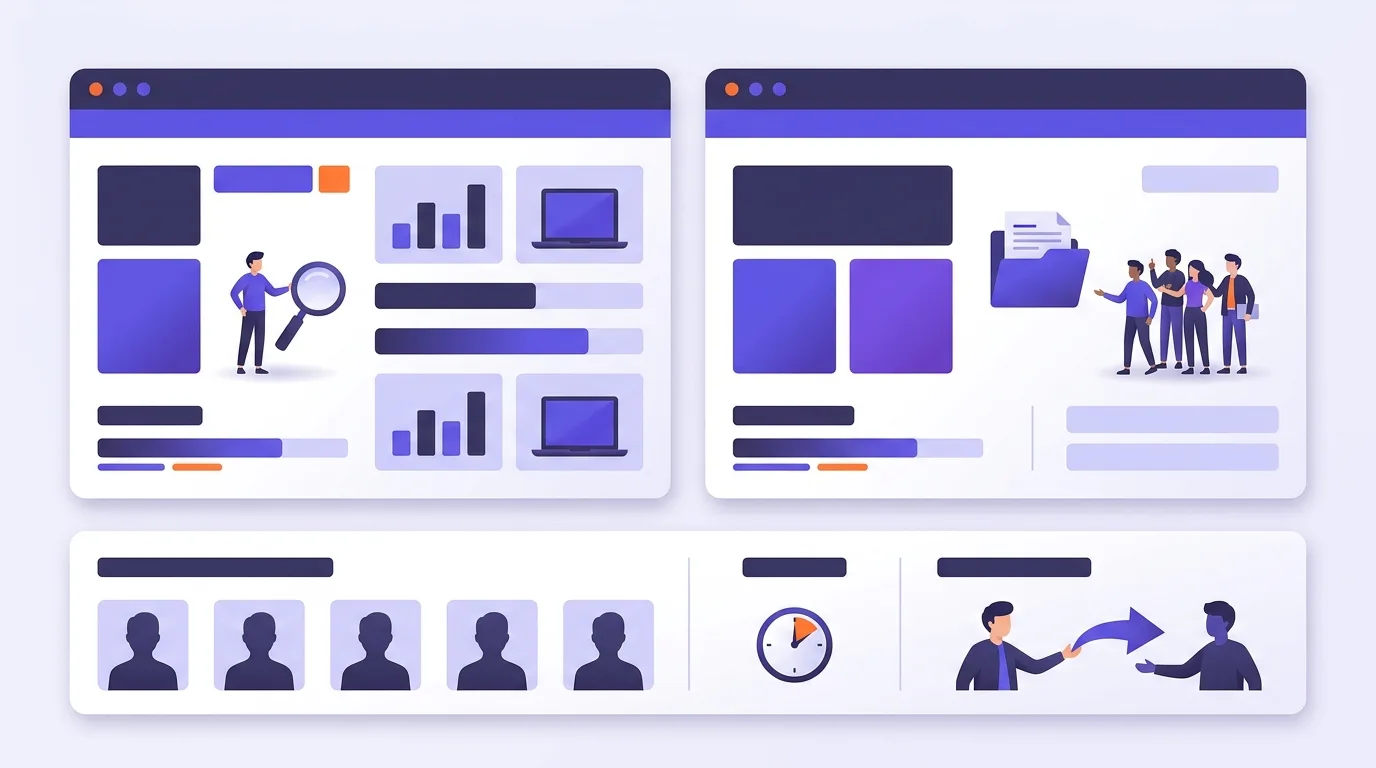
Before choosing, name the person who will assess recommendations and approve work. Budget for their time as well as the purchase. Access to analysis isn’t the same as capacity to act.
Choose by the work you need and who will own it—not by a winner ranking.
| Situation | Model to consider | Question to resolve first |
|---|---|---|
| An internal specialist needs ongoing research or tracking | A self-serve suite such as Semrush or Ahrefs | Who will interpret findings and implement changes? |
| The business needs a defined report rather than ongoing tool access | A Deep SEO one-off platform report | Does the proposed report scope answer the business question? |
| The business needs outside implementation support | A discussion with the Deep SEO agency team | What work, responsibilities and scope will be agreed? |
| An internal team wants ongoing research plus scoped outside support | Both models, with separate responsibilities | How will duplicated analysis and unclear handoffs be avoided? |
If you’re searching for a Deep SEO alternative, compare operating models before product names. These aren’t interchangeable purchases. Decide which responsibility you want to keep and which you want outside support for.
For a competitor-focused question, explore the AI Competitor Analysis and check its scope against the decision you need to make.
Curious how your own site does? Run the free website check and RamradOS, our AI SEO assistant, picks it up from there. Start the free check →
When does using both models make sense?
Using both models makes sense when your internal specialist needs ongoing research or tracking, while a separate project needs focused analysis or implementation support. Keep the work distinct: use the suite for recurring tasks, then commission a defined report or discuss support for a specific piece of work.
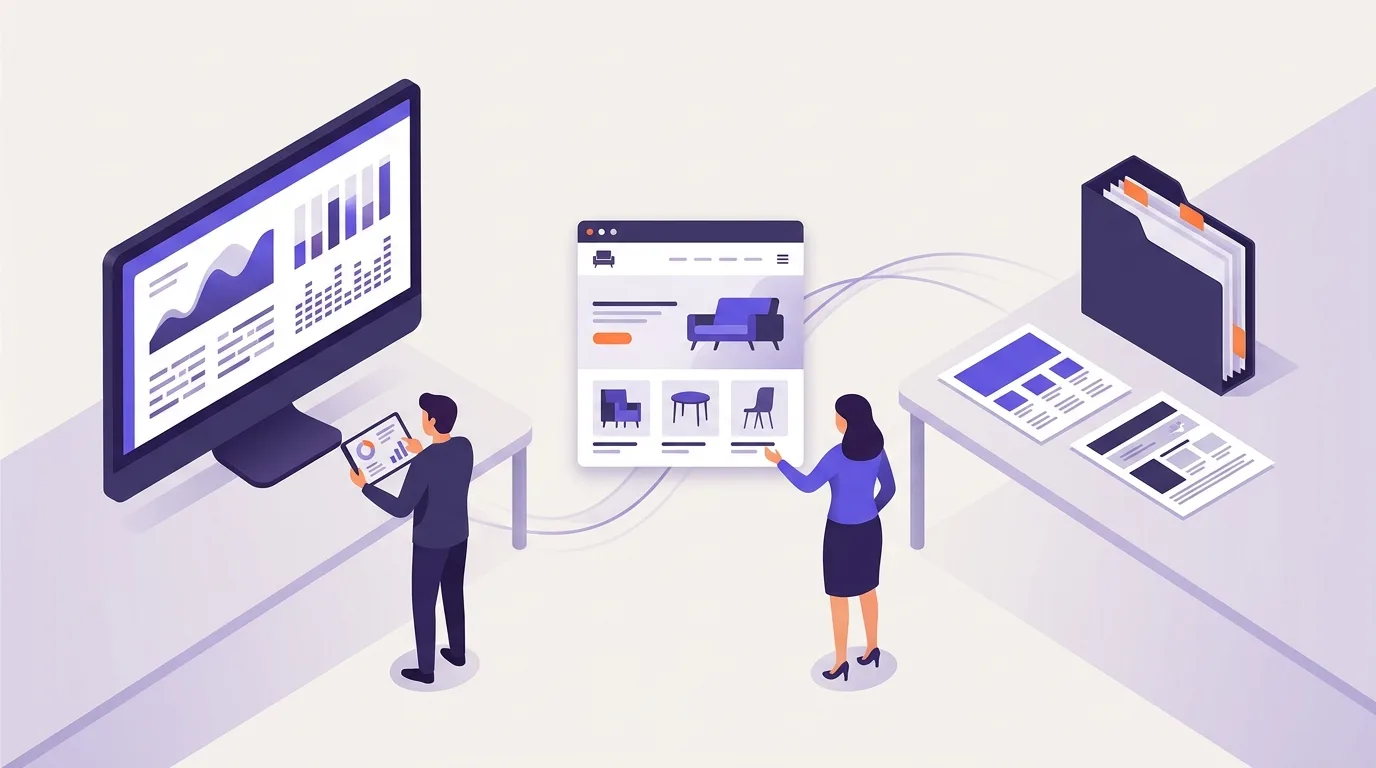
Say you run an online furniture shop. Your SEO specialist uses Ahrefs Lite’s Site Explorer and Keywords Explorer for research, with Rank Tracker for tracking, as listed by Ahrefs. If your routine includes AI-prompt tracking, SEO + AI Search Starter includes that alongside keyword tracking, according to Semrush.
The business separately considers the AI Competitor Analysis for a scoped competitor report. Your specialist continues the regular research rather than pausing it for the report. If you need help carrying out SEO work, you can discuss implementation support with Deep SEO’s agency team.
Agree on the handoff before ordering
Start with the question you want answered. For the furniture shop, that could be which competing sites to examine for a particular product category. Agree on the scope before commissioning work, so the report doesn’t simply repeat research your specialist already handles.
Name the person responsible for turning findings into tasks. Your specialist might assess the report and assign approved work internally, or discuss that work with Deep SEO. Keep research, decisions and implementation separate in the handoff. Treat these as separate workflows, not a connected system.
If that approach fits, explore the AI SEO Platform and begin its free health check with your website address.
Read more
Frequently asked questions
Can Deep SEO or another SEO provider promise a top ranking?
No. Google says no SEO provider can promise the top position in its search results: Google Search Central. Deep SEO doesn’t promise rankings either. Its reports state what was measured and what wasn’t, so you can assess the findings without treating them as a promise of future performance.
Do third-party SEO tools have access to Google’s internal ranking data?
No. Third-party SEO tools don’t have access to Google’s internal ranking data, according to Google Search Central. You shouldn’t read a tool’s report as a view inside Google’s ranking systems. Deep SEO builds its reports from data gathered from your site, then uses AI analysis and quality checks before delivery.
Can Deep SEO change my website without approval, and can changes be reversed?
No. Deep SEO can make website changes only after you connect your site and approve each change. Every change can be rolled back. Getting a health check or ordering a report isn’t permission to edit your website. You retain control over which proposed changes proceed.
Which regions and language does Deep SEO serve?
Deep SEO serves businesses in Europe and the Middle East. Its website and service are in English, so English is the language you’ll use with the service. The offering combines an SEO agency with its own AI platform: you can get an instant AI audit and have a team implement approved changes.
Does Ahrefs separate its entry-level research plan from Brand Radar AI subscriptions?
Yes. Ahrefs lists its Starter research plan at $29 per month and separate Brand Radar AI subscriptions starting at $199 per month on its pricing page. These are distinct offerings with different pricing. When comparing costs, separate your research needs from expanded AI-visibility needs rather than treating them as the same subscription.
Key takeaways
- Write down the decision you need to make. For Deep SEO vs Semrush, compare each option against that task, rather than treating the products as interchangeable.
- Check the subscription scope. Ahrefs Lite and Brand Radar AI are separate offerings. Match the plan to your research and AI visibility needs.
- Ask what the analysis covers. Deep SEO reports state what was measured and what wasn’t. Use those boundaries when deciding what to investigate next.
- Agree on change control. With Deep SEO, you must connect your site and approve each change before implementation. Every change can be rolled back.
Next, use Deep SEO’s free health check to identify a question worth investigating, then decide who should take it forward.
See what this means for your website
Start with the free check. RamradOS explains the results and, if it fits, our AI Competitor Analysis goes deeper.
Check your website free — in one minute
Our AI platform reviews your site and shows what to fix first. Our SEO team can implement it for you.